



We Celebrate the Successful Breeding of a Vicuña
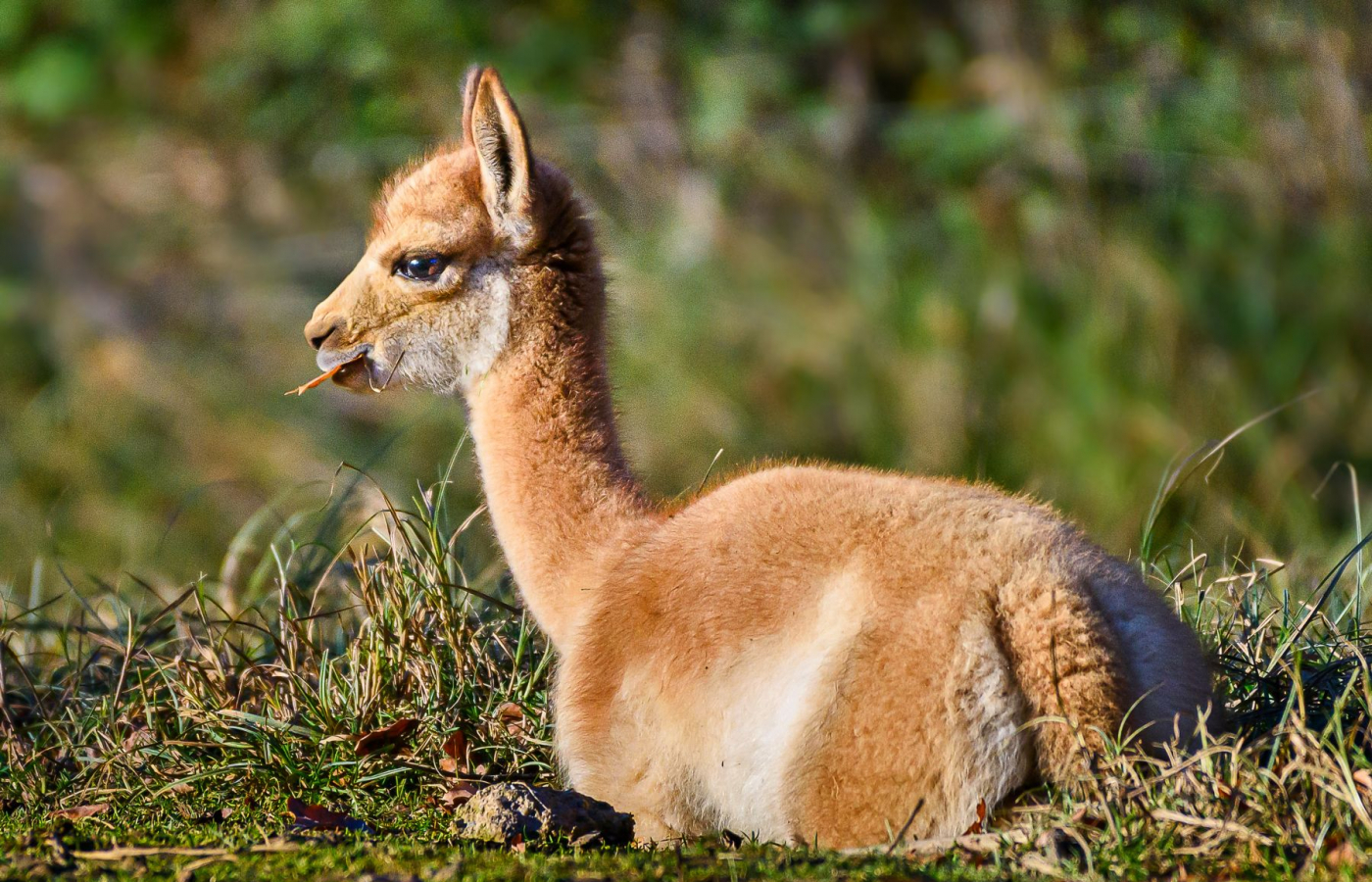
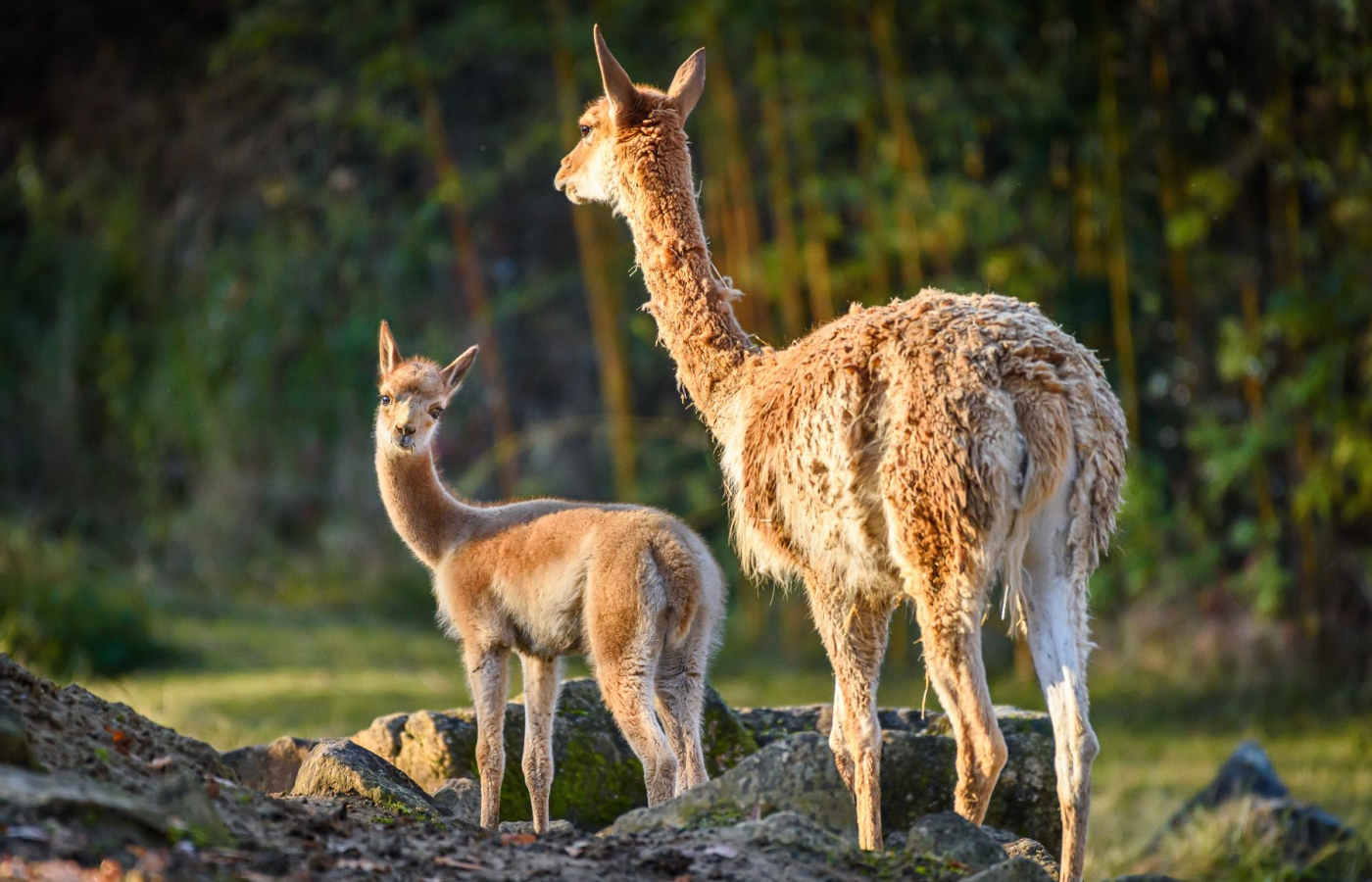
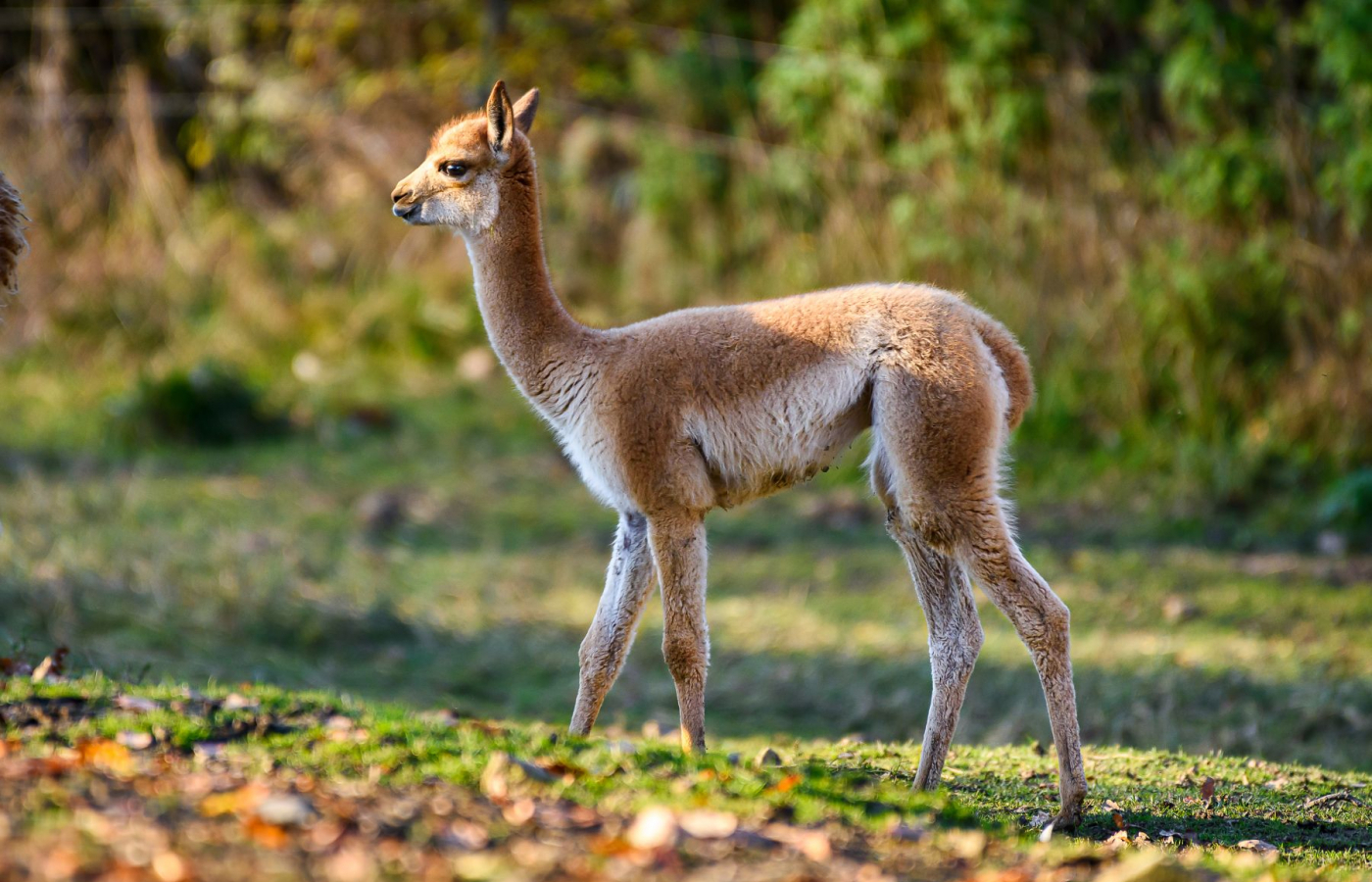
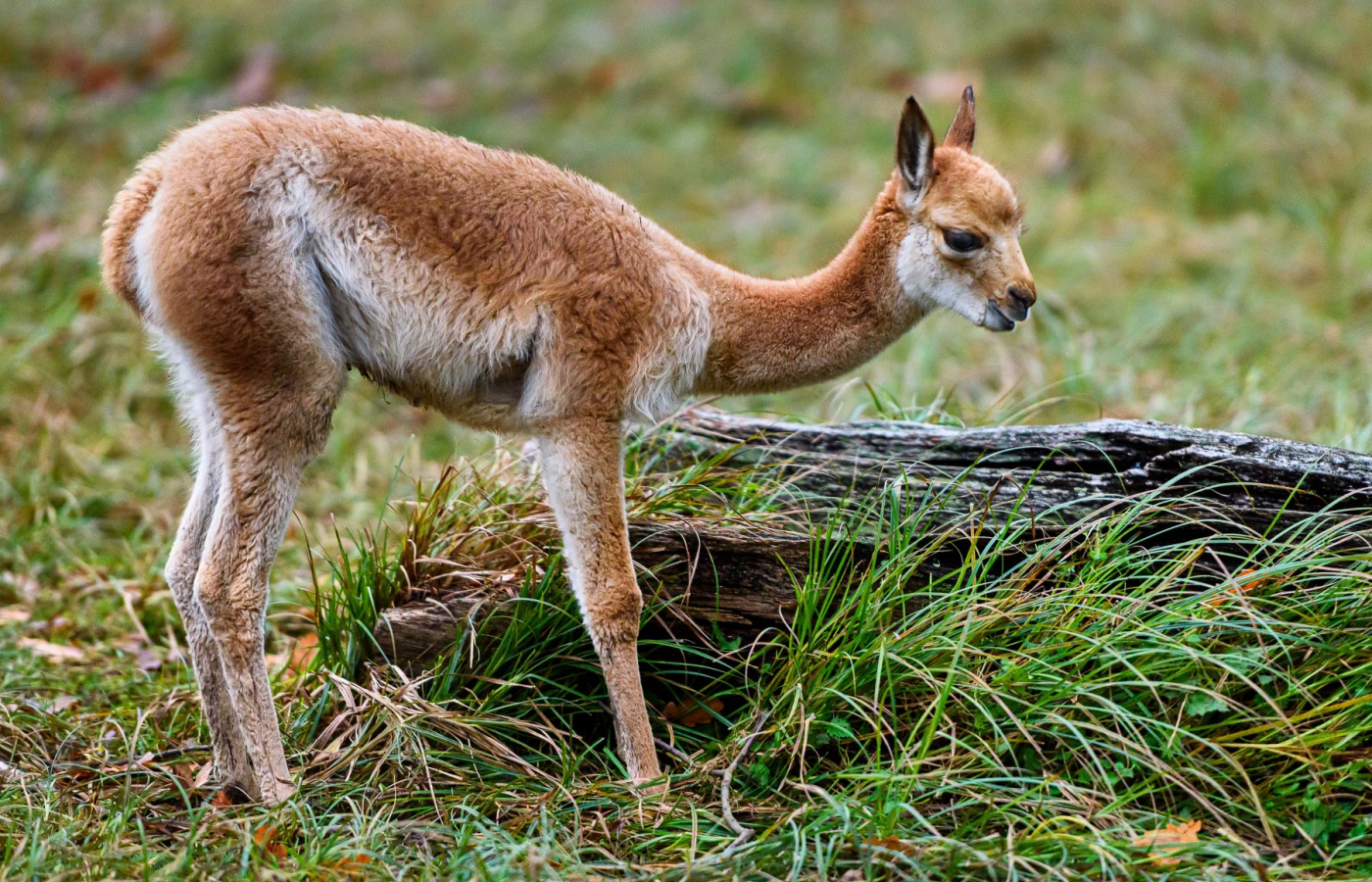
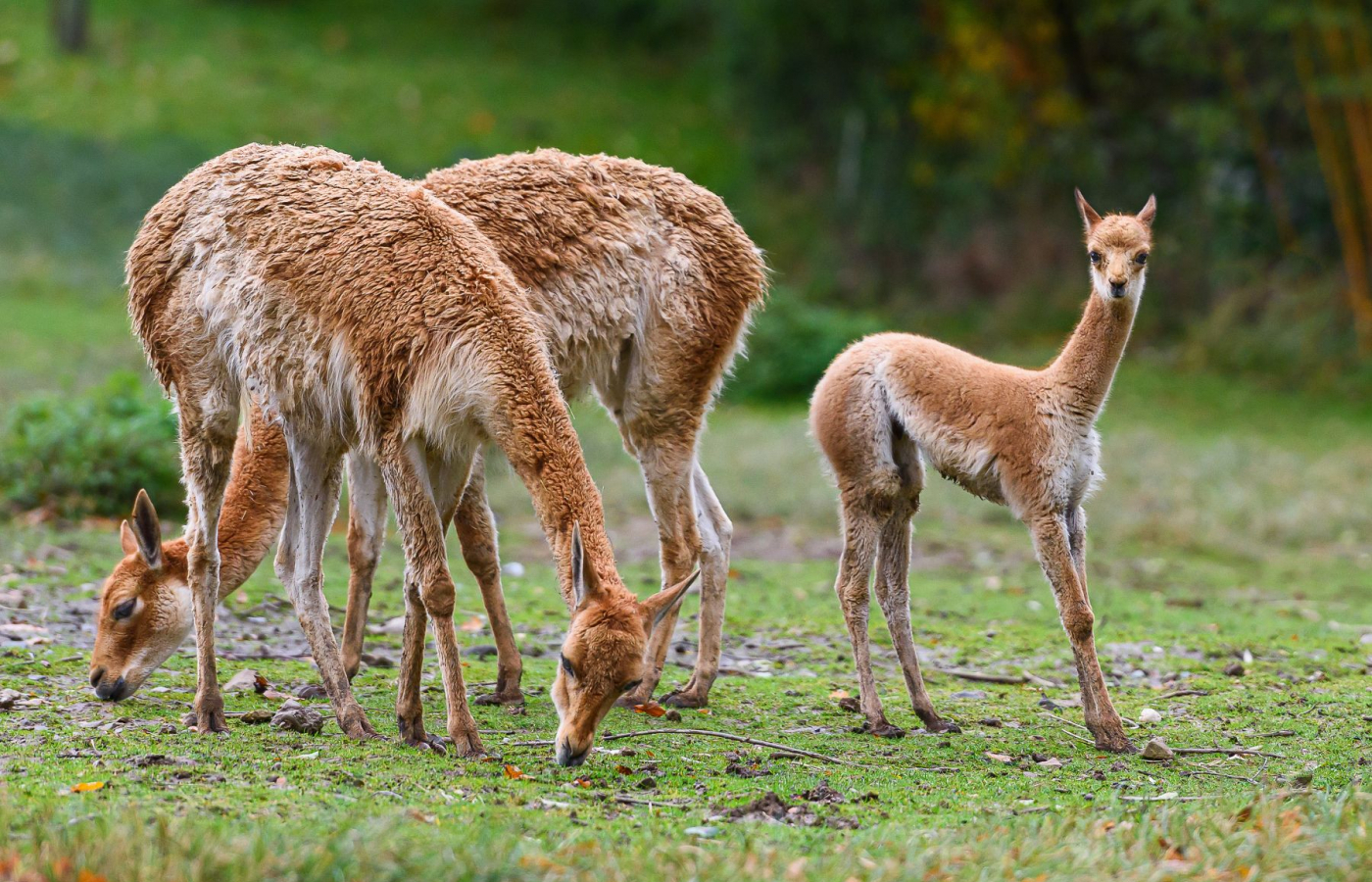
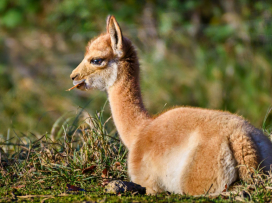
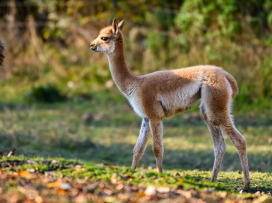
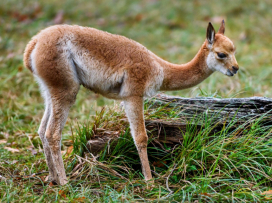
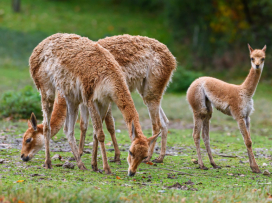
A male vicuña was born at the beginning of October. He is healthy, energetic, and thriving beautifully. You can see him and the entire herd every day in the American section of the zoo.
In the wild, the vicuña is a symbol of the Andean mountains, yet caring for them under human care is quite demanding. Every successfully raised offspring is therefore a true achievement for zoos.
Breeding vicuñas is challenging mainly due to their high sensitivity to their environment. “Females are very demanding in terms of peace, safety, and stable conditions; any disturbance can threaten the course of pregnancy or the subsequent care of a newborn calf,” explained keeper Sára Palová. In Europe, 75 zoos keep these llamas, but in the past year, successful breeding occurred in only 23 institutions, including Zlín Zoo. “The female delivered the calf smoothly within a few minutes. The young was vital right after birth, standing up and seeking its mother’s milk. And the mother has been caring for him perfectly from the very first moments. During the check at the end of November, we found out it is a male,” added Palová.
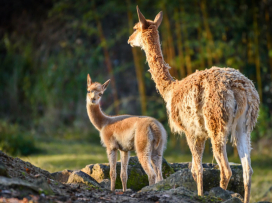
Vicuñas live in small harems led by a dominant male. Each such group carefully guards its territory. A calf is born after an 11-month pregnancy. At birth, it weighs around 5 kg and is able to follow its mother just 15 minutes later. It suckles for about 10 months. Young vicuñas mature at around two years of age and can live up to about 20 years. Their diet consists exclusively of grasses and herbs. At Zlín Zoo, a spacious grassy enclosure is sufficient for grazing, but they are also fed hay, special llama pellets, and grated carrots enriched with minerals.
The vicuña is a wild species of llama living in the high Andes of southern Peru and Bolivia and in the northern regions of Argentina and Chile. It is one of the smallest South American camelids, reaching about one meter in height and weighing around 50 kg. It is especially known for its high-quality golden-brown fleece, whose fibers are finer than cashmere and yet very strong. An adult vicuña produces just under one kilogram of wool every two years, making it a rare and expensive product. Hunting for their wool and hides once pushed vicuñas to the brink of extinction. “In 1965, only 6,000 vicuñas lived in the South American mountains. Several newly established reserves, strict hunting bans, and restrictions on international trade saved the species at the last moment. Today, the population is estimated at 350,000 adults,” said Palová. In 2021, the vicuña was added to the so-called Green List, which includes species whose populations have successfully recovered thanks to conservation measures. It is the opposite of the Red List of threatened species.
Zlín Zoo has kept vicuñas since 2004. They have successfully raised 14 calves so far, though keepers waited 13 long years for this year’s newborn. The current group consists of a male from Łódź Zoo in Poland, two females from Berlin Zoo, one female from Wuppertal Zoo, and the two-month-old male calf.


Good to know
Reed another
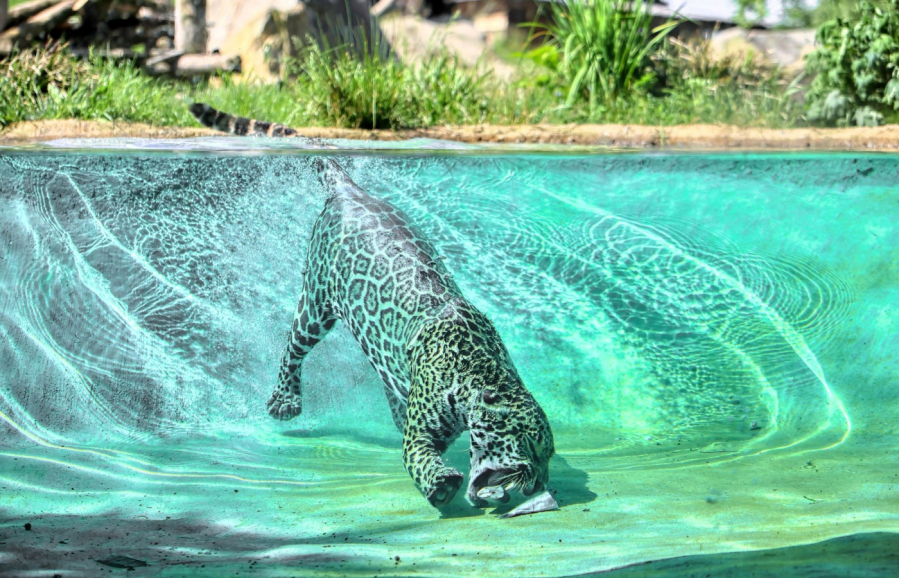
Beat the heatwave and rush to the zoo!
Even during the current spell of tropical temperatures, Zoo Zlín remains a pleasant destination for visitors. A walk beneath the shade of mature trees, refreshing misting systems, and an excellent…
Explore new thingsGood to know
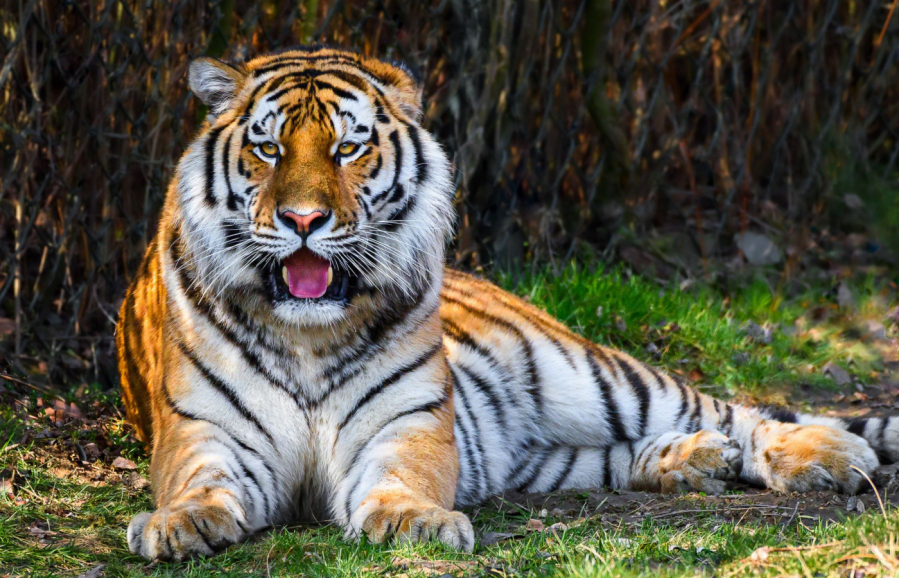
We have a new male Amur tiger
A new male Amur tiger has arrived at Zlín Zoo at the beginning of March. The young male, named Ambassador, was brought from Zoo Münster in Germany, and visitors are invited to come and see him.
Explore new things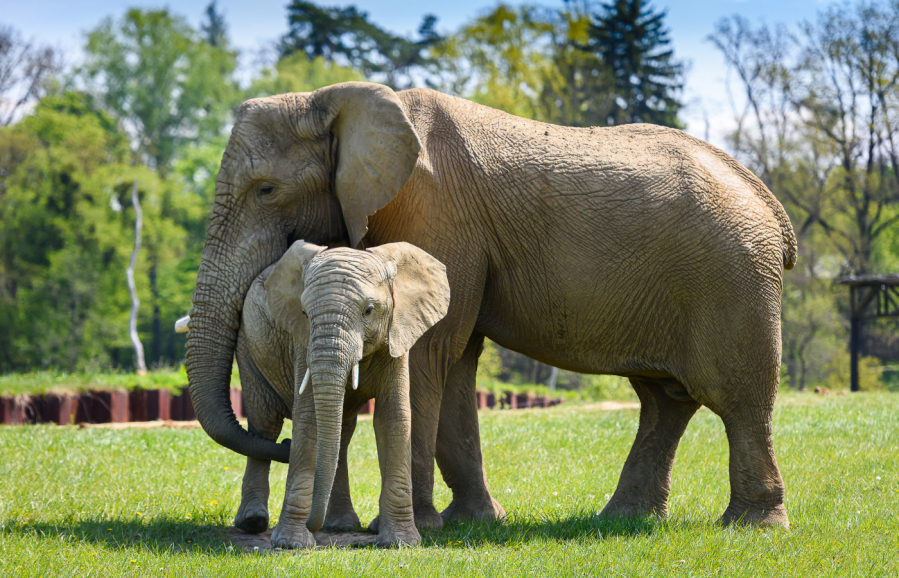
May at Zlín Zoo
May is a beautiful time to visit our zoo! The entire area is full of fresh greenery and blooming flowers. On weekends and public holidays, you can also enjoy guided animal feedings.
Explore new things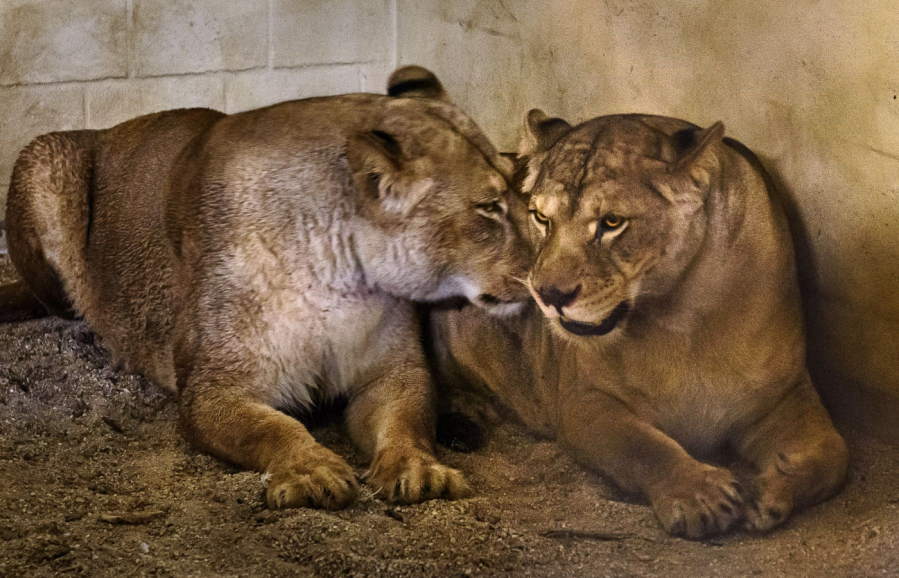
Rescued from poor living conditions: Two lionesses find a new home at the Zlín Zoo
Two lionesses confiscated from a private breeder have arrived at the Zlín Zoo, marking a significant first step for the zoo’s newly opened rescue and breeding centre for lions. The animals were…
Explore new things