



We are delighted to announce two new babies!
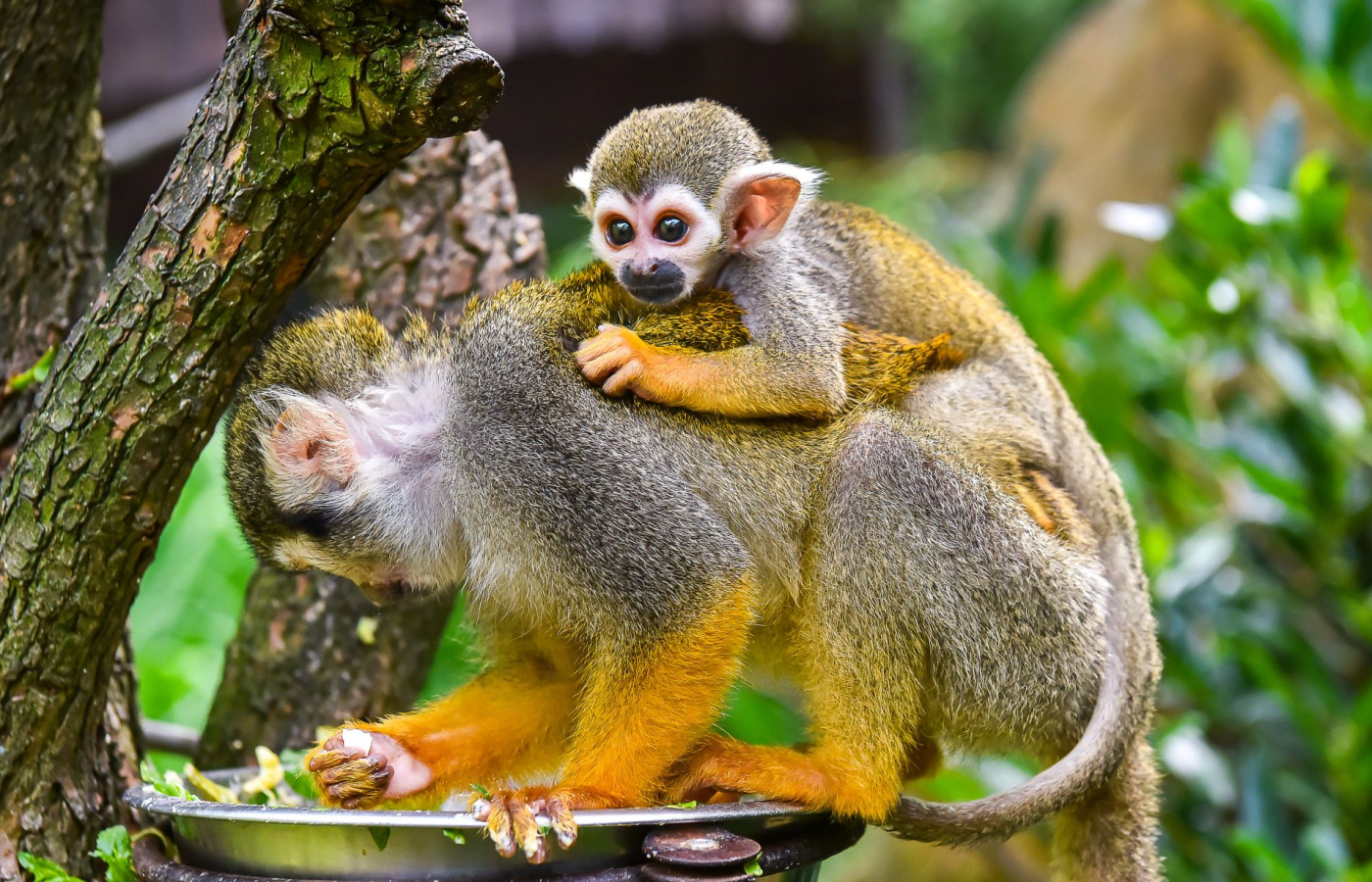
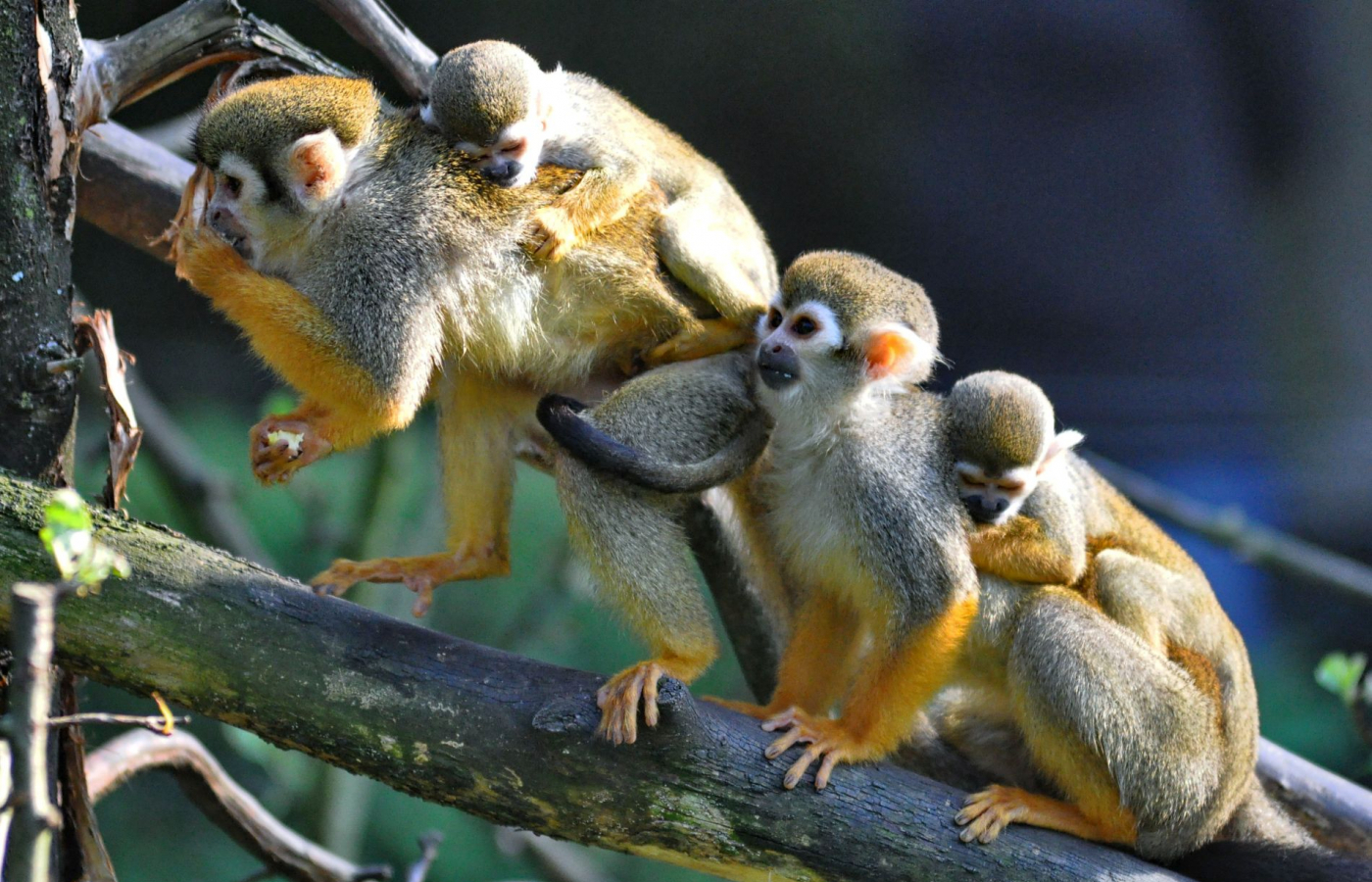
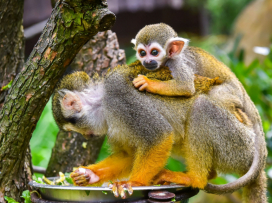
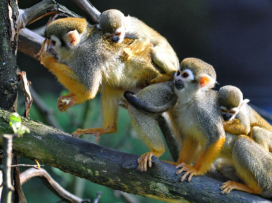
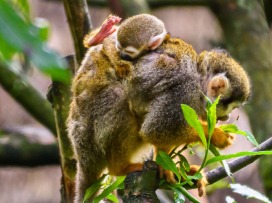
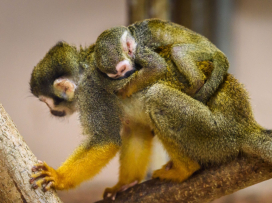
The Amazon area, the zoo’s South American zone, is celebrating the arrival of two new additions to its lively troop of 25 small South American primates. There is certainly no shortage of activity in the squirrel monkey enclosure. Although these charming monkeys are kept in 92 zoos across Europe, successful breeding is far from easy. Over the past year, only 19 European zoos have successfully raised young. Both of our one-month-old babies are thriving and are further evidence that our group is doing exceptionally well.
“Every successful birth and rearing is a testament to the expertise of Zlín Zoo’s keepers and to the high-quality conditions we provide for our animals. I am delighted that we have also been successful in breeding species whose husbandry is particularly challenging. I believe that the two new common squirrel monkey babies will delight not only our visitors, but will also contribute to maintaining a healthy population of these remarkable primates in human care,” said Jiří Korec, Mayor of the Statutory City of Zlín.
One of the greatest challenges is establishing a suitable breeding group. Social relationships are extremely important to common squirrel monkeys. They live in large groups, and the relationships between individual members are crucial, with a strict hierarchy in place. A troop consists of a large number of adult females and just one adult male. However, the females do not always accept the male.
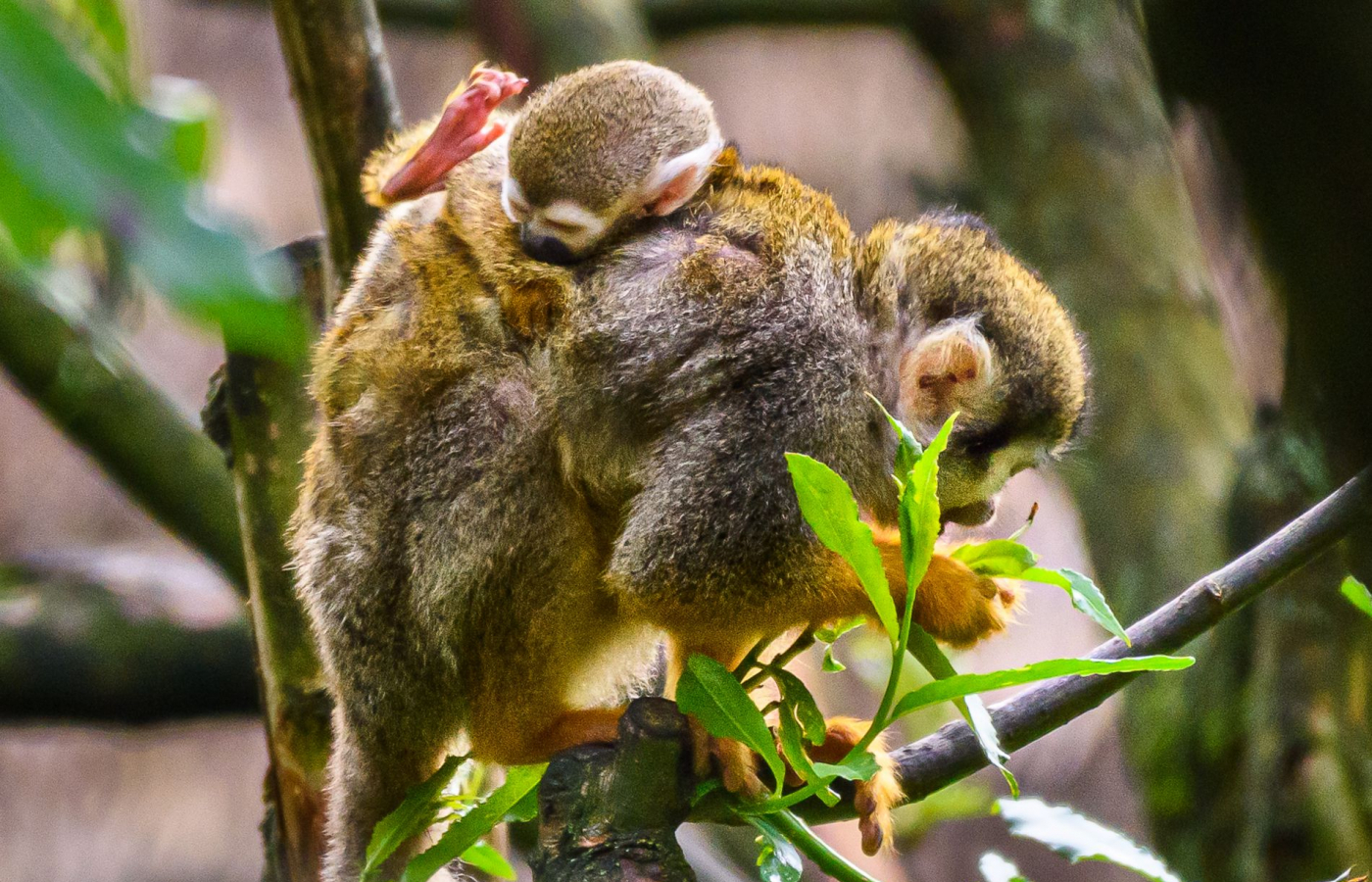
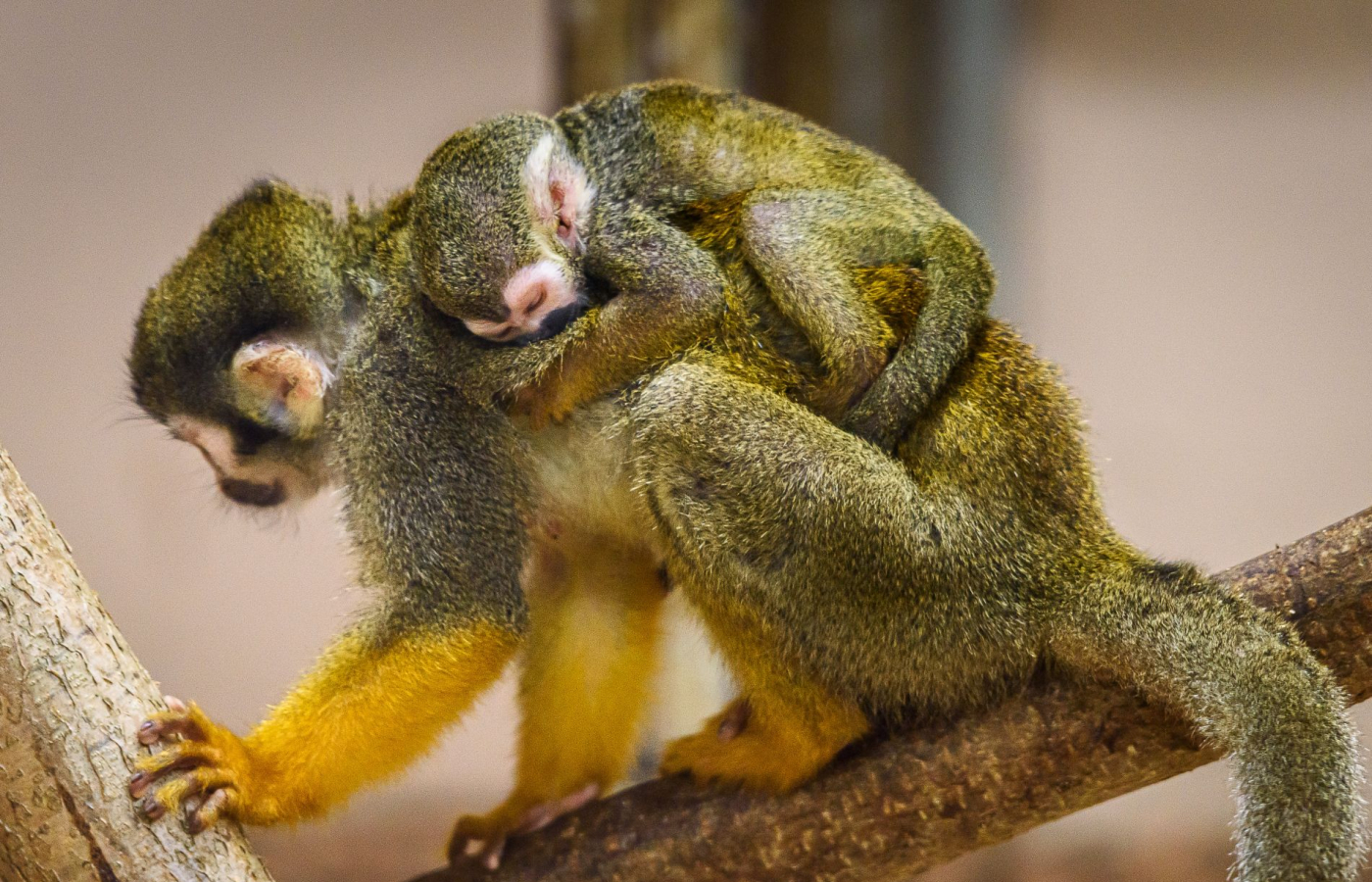
The common squirrel monkeys at our zoo are thriving, and the group regularly raises young. This year’s babies were born at the beginning of July. Immediately after birth, they climbed onto their mothers’ backs, where they firmly cling to their fur. They are still completely dependent on their mothers, but they are already actively observing the other members of the family. From time to time, they are even brave enough to leave the safety of their mothers’ backs and begin exploring their immediate surroundings.
This species is native to northern South America, ranging from Colombia to northeastern Brazil. The monkeys primarily inhabit open woodland along riverbanks and generally avoid dense rainforest. They are extremely agile and active animals. When moving between branches, they use not only their hands and feet but also their long tails, which help them maintain their balance. Their world is one of constant movement, speed and communication.
Their diet consists of a wide variety of insects, as well as ripe fruit, seeds, flowers and leaves. At the Zlín Zoo, the keepers feed them four times a day. Squirrel monkeys have a very fast metabolism and need access to fresh food throughout the day: For breakfast, they receive hazelnuts, almonds, pumpkin and sunflower seeds, primate pellets and a special “cake” prepared by the keepers from a specially formulated dried mixture and hot water; their mid-morning snack consists of fruit—including apples, bananas, nectarines, grapes, peaches, cherries and melons—along with vitamins and vegetables such as Chinese cabbage, iceberg lettuce and lamb’s lettuce; lunch provides a source of protein in the form of live crickets and locusts, frozen cockroaches and boiled eggs; the fourth and final feeding consists exclusively of fresh vegetables, including cucumbers, tomatoes, peppers, courgettes, broccoli, cauliflower and carrots. However, squirrel monkeys are not particularly fond of food that is too wet or juicy. If they are given a very ripe peach, for example, they carefully dry it with the fluffy tip of their tail before eating it.
Squirrel monkeys reach adulthood at around three years of age and can live for up to 20 years under human care.
The Zlín Zoo has been keeping these charming monkeys since 1999. There are currently 25 individuals in the Amazon area. The largest troop occupies an enclosure in the upper part of the exhibit, where visitors can also see both of the new babies. We have already uccessfully raised 77 squirrel monkey young to date, placing it among the most successful institutions in Europe in the breeding of this species.


Good to know
Reed another
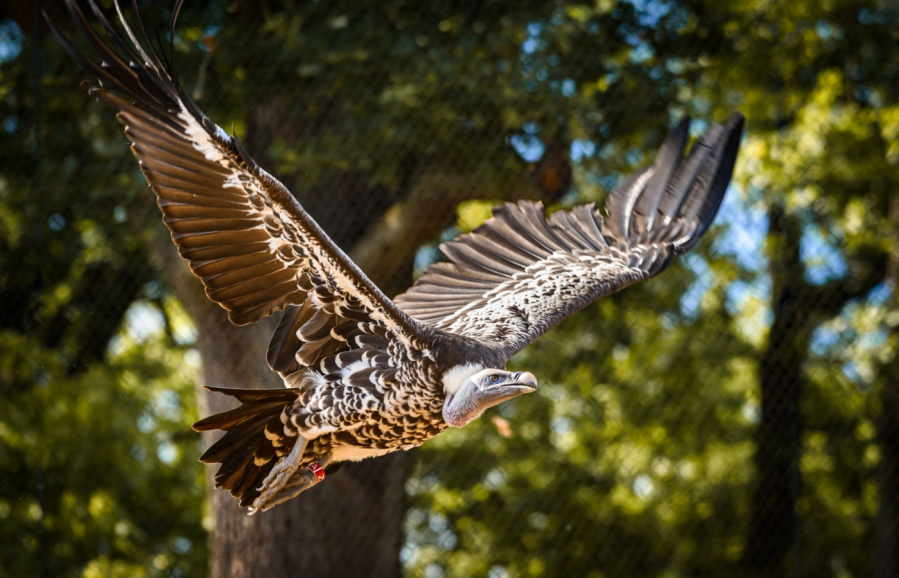
Helping to protect birds of prey from electrocution
Millions of birds die every year around the world as a result of unprotected power lines. Through our 4Nature conservation fund, we are now working with VulPro to help protect large birds of prey in…
Explore new thingsGood to know
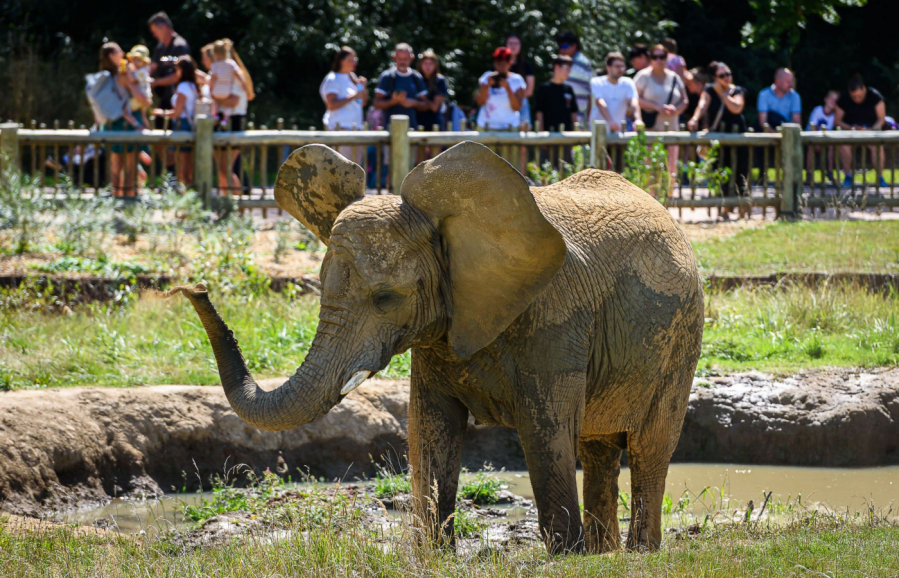
Visit Zoo Zlín in September and October for CZK 100!
Every Friday in September and October, you can visit Zoo Zlín for just CZK 100! The Indian summer is a magical time of year here, so come and experience it for yourself. The special admission price…
Explore new things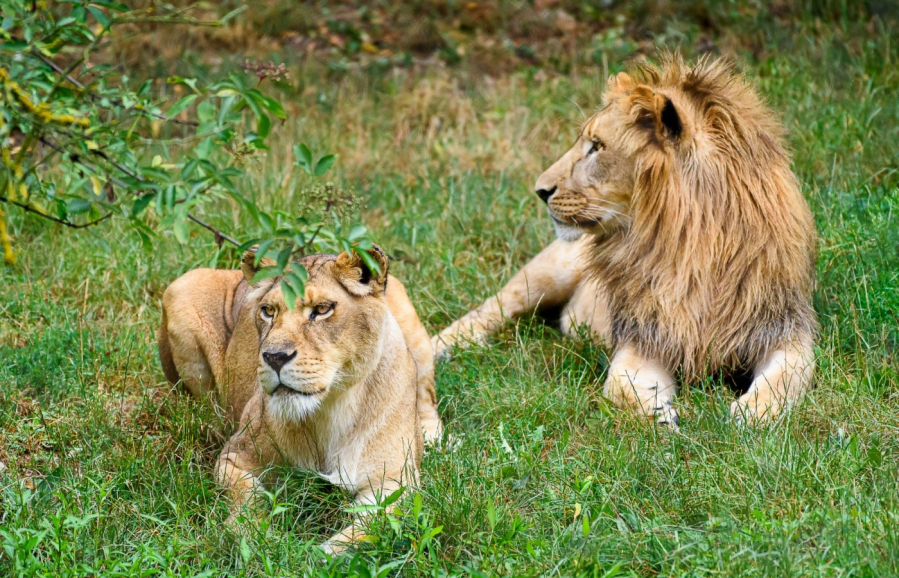
Elsa and Takko are living together now!
We are delighted to share some great news! Elsa, a lioness rescued from a private keeper in northern Moravia after being confiscated by the state, is now sharing the former lion enclosure with Takko,…
Explore new things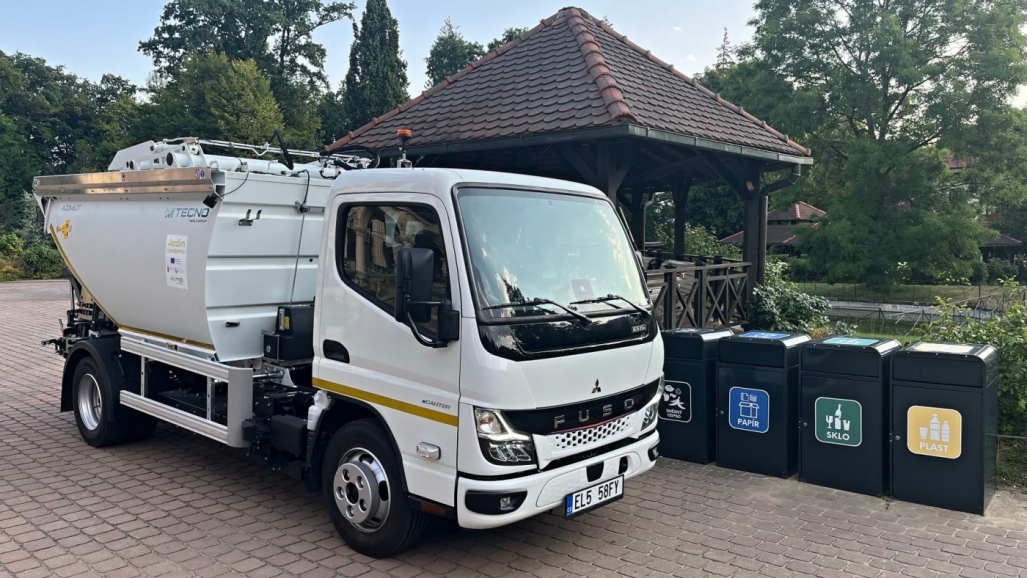
New electric waste collection truck
We are happy to introduce our new electric waste collection vehicle. Following the installation of our photovoltaic power plant, this marks another important step in Zoo Zlín’s ongoing commitment to…
Explore new things